

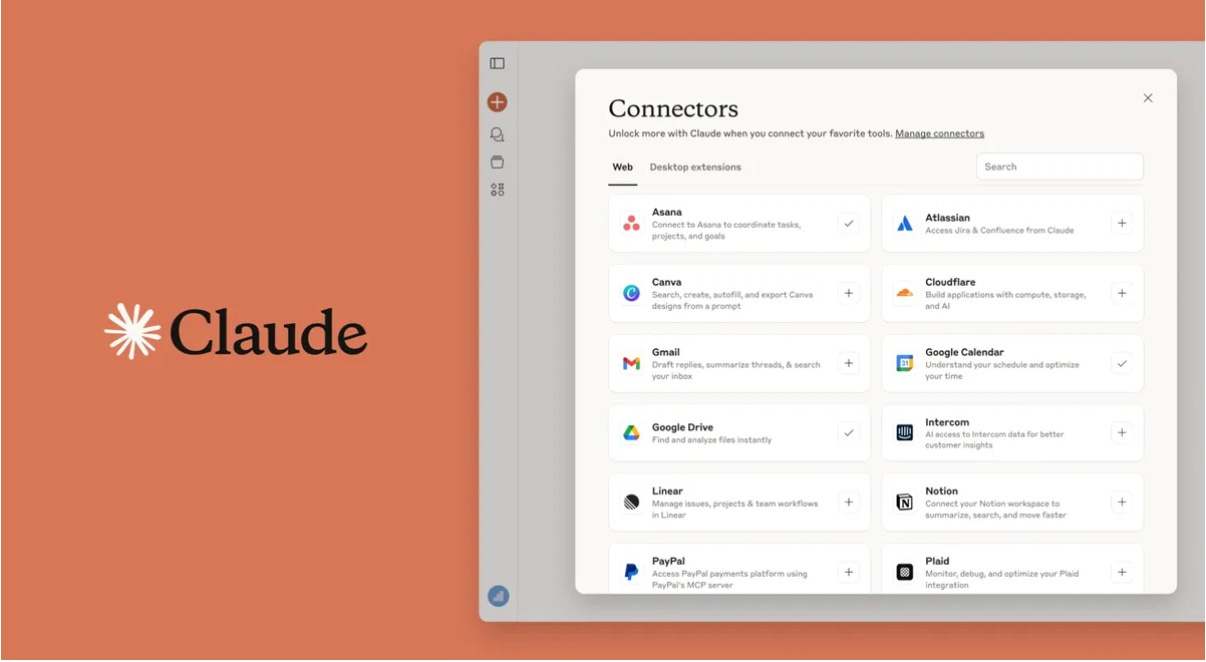
SaaS stocks took a beating once Claude CoWork emerged as an existential threat.
The module’s been around for a while, but the release of an AI-powered legal tool triggered a sharp reaction. Investors saw it as a threat to companies like LegalZoom, sparking a selloff across the vertical.
From there it was an easy leap to a broader conclusion: if Claude can do this for legal workflows, what else can it replace? ServiceNow, Salesforce, HubSpot, etc. were all suddenly vulnerable.
What’s wild is that most of these companies are strong. Revenue and margin growth is intact. They consistently beat earnings. And in most cases, product usage looks healthier than it did a year ago.
But the selloff seems less about fundamentals and more about a growing unease about how work gets done. As LLMs get better at coordinating tasks across systems, why do workers need different applications?
AI replacing SaaS outright is not going to happen. The interface just becomes less important while the underlying system of record actually becomes MORE valuable. Why?
The LLM layer depends on these systems as a source of proprietary context to execute tasks, answer questions, and generate strategy. That data is far more valuable than anything an LLM can pull from public sources.
In Defense of SaaS
A VP of Sales who vibe-coded a CRM over the weekend is not replacing a production-grade, compliance-ready Salesforce deployment at any sizable company (despite what the market seems to think).
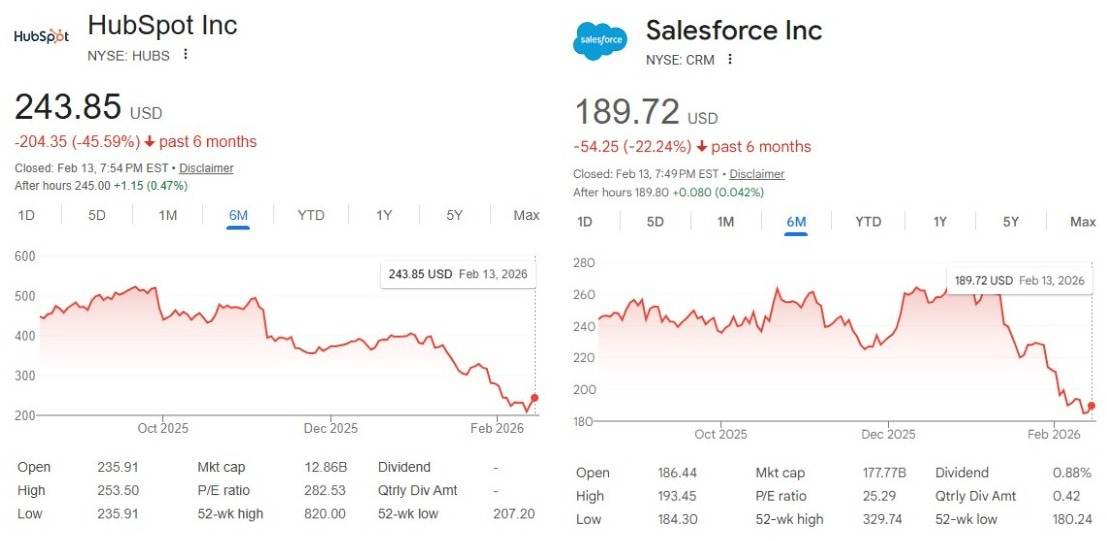
Salesforce and HubSpot did not become foundational platforms by accident. They have spent decades investing in infrastructure, security, permissioning, compliance, and performance under real-world load.
These systems support edge cases and failure modes that most organizations never see, but rely on every day.
Internal tools built quickly with AI can be useful, especially for narrow workflows or small teams. They are not substitutes for systems that need to operate reliably across thousands of users, business units, and regulatory environments.
The real moat is the data. Years of structured customer history, workflow logic, reporting integrity, and permissioned access create context that cannot be recreated over a weekend. When LLMs begin orchestrating work on top of these systems, that proprietary data becomes more valuable, not less.
SaaS companies that embrace this role and make integration seamless could end up in a stronger position. The UI may fade but the data layer will not. In an LLM-driven world, being the trusted source of high-integrity enterprise context is a durable advantage.
We will probably see business models evolve alongside the interface. Instead of relying primarily on traditional B2B seat-based sales, these companies may lean further into OEM-style partnerships, embedding directly into LLM ecosystems where revenue flows through usage, API access, or structured data licensing.
If LLMs become the primary control plane for enterprise work, being the trusted, high-integrity data engine underneath that layer could prove more scalable and economically attractive (significantly lower S&M spend).
Clay as an Early Signal
(FWIW - I know I talk about this company a lot. I don’t know why as I honestly haven’t truly embedded them into my processes. I think they’re just a buzzy name and are attacking the market the right way…)
Clay offers a useful window into how this transition is unfolding. On the surface it seems like yet another contact database, but its actual value comes from aggregation rather than destination usage.
I used to jump from Sales Navigator to find prospects on LinkedIn, port them into Seamless.ai to get their email/phone number, then port them to Outreach to execute on calls + emails. These workflows were very inefficient and led to a lot of distraction.
Clay pulls together multiple data providers, enrichment tools, and logic layers into a single workflow. While the execution layer is still in beta, this aggregation has already resulted in significant tool consolidation and significant productivity gains.
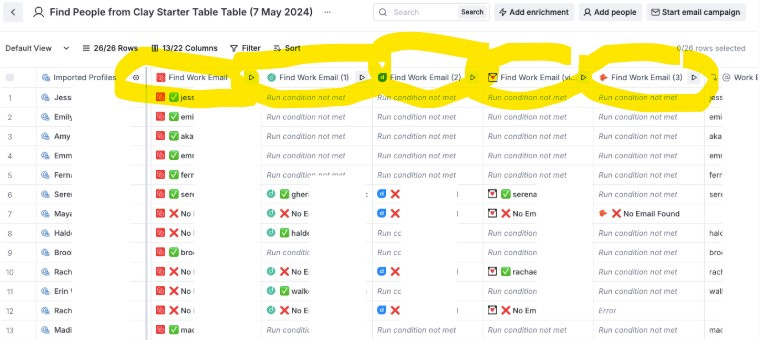
Clay also shares a percentage of the consumption fee with its underlying data providers each time their data is used (see image above). Those providers increasingly benefit from distribution without having to invest heavily in building or scaling their own direct sales motions.
Importantly, this also works in the inverse as well.
Clay recognizes this higher-order value of aggregation and has been intentional about integrating into LLMs early, treating them as the higher-order aggregation layer where work increasingly originates. They understand that the long-term battle is not about owning the UI, but about being easy to operate through whatever interface GTM operators prefer.
Wouldn’t be surprised if, long-term, their largest chunk of revenue came from the LLMs leveraging their data as an OEM.
The LLM as Control Plane
With deeper integrations and model context protocols, tools like Claude are starting to function less like applications and more like control planes. The model becomes the place where intent is expressed and work is coordinated.
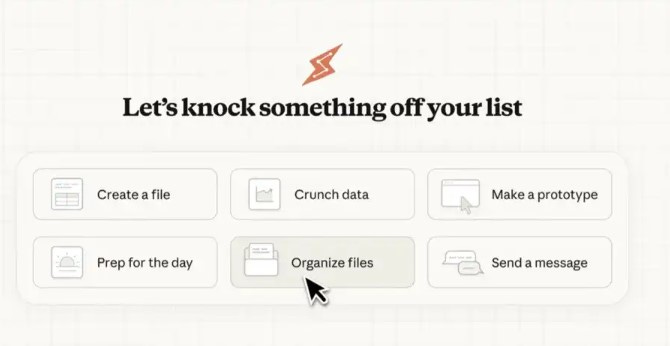
In my own workflow, this is no longer abstract. Claude is connected to my email. It has access to Clay. It can work with Figma, Canva, and Microsoft Office. I can draft and analyze emails, build prospect lists, create decks, and model scenarios without bouncing between systems.
This is not yet fully automated or frictionless. I have tried to push parts of it further than the technology reliably supports today e.g. having outbound emails automatically written and placed into my draft folder for review.
It technically worked, but the latency and need for edits made it slower than reviewing drafts directly in the chat interface and sending them manually.
That said, the pace of advancement has been insane. Six months ago, Claude didn’t even have memory. The idea that it could execute most tasks in seconds with high-quality output and become the only interface someone logs into daily no longer feels far off.
Not quite there yet, but by EOY this is the likely reality.
Where the Jobs-to-Be-Done Argument Lands
Most people don’t want to “use a CRM.” They want outcomes:
Context preserved
Follow-ups handled
Deals tracked
Reporting available when it matters
For years, that required living inside a dedicated system. As LLMs get better at coordinating intent and execution, that expectation changes. The CRM doesn’t disappear. It becomes infrastructure instead of destination.
What remains durable:
Proprietary data accumulated over years
Security, compliance, and operational depth
Structured systems of record that are hard to replicate
What shifts:
The user no longer lives in the tool
Work begins in an intelligent interface
Software operates in the background
The companies that make themselves easy to operate through LLM-driven workflows will continue to grow. The economics may evolve, especially if LLMs become the primary distribution layer, but that reflects a shift in interface, not a loss of value.
From the operator side, it’s already visible:
Fewer logins
Less tab switching
More time expressing intent and reviewing outcomes