

Boomers.
They hold most of the country’s wealth, while also being the least adept at AI.
If frontier labs are genuinely afraid their models could cause human extinction, or (more plausibly) that advancing them at the current pace will bankrupt both the labs and the rest of the economy, why not pause and focus on getting the boomers up to speed?
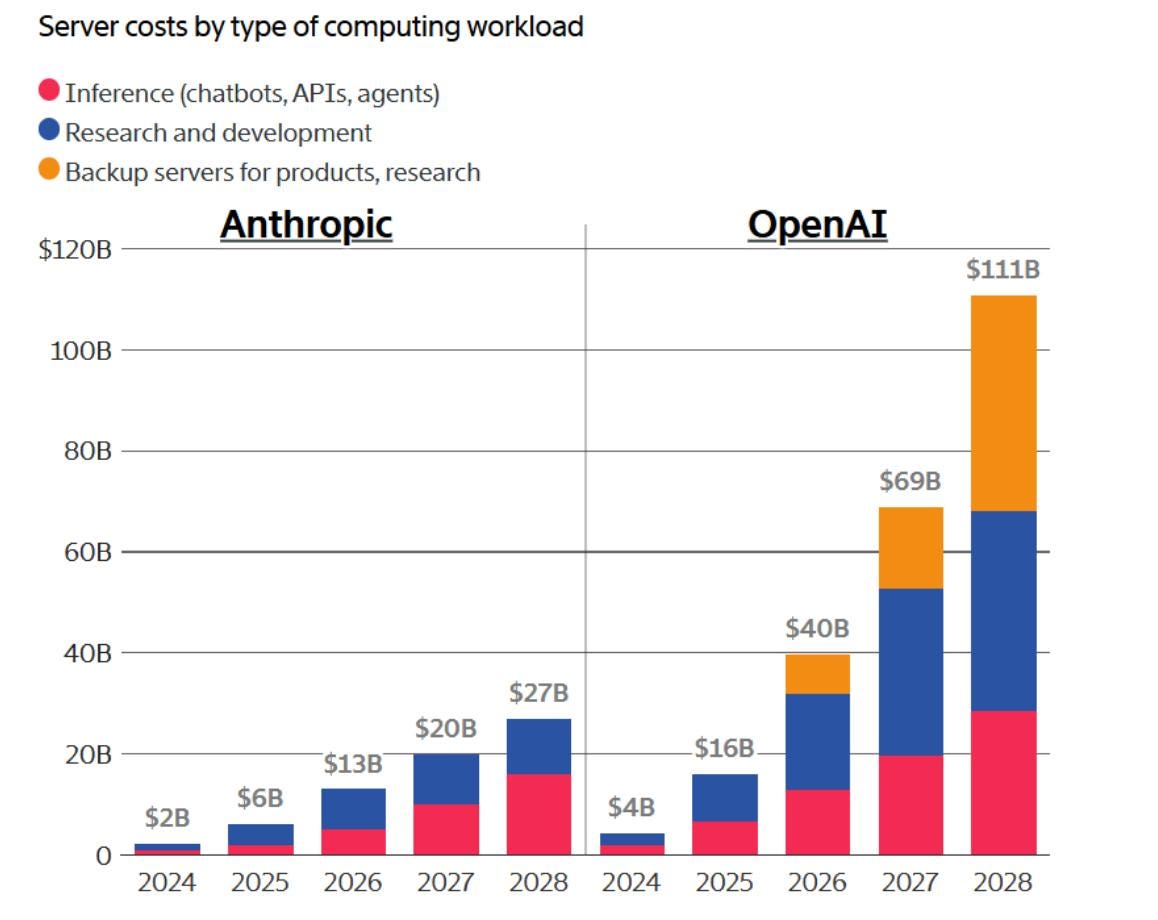
I’m no economist, but more growth while reducing cost usually results in more profit.
These boomers have operated their businesses successfully for decades. Their systems may be old, but learning a new way of doing things is not an exciting proposition.
The reality, however, is that if you can use Google, email, and Microsoft Word, you can use the latest versions of ChatGPT or Claude. They are super easy to use, and way, way, way better than what they were just 6 months ago. All the frontier models are kind of the same, honestly, and will be a commodity soon enough if not there already.
These labs just need to figure out how to get them over this initial hump.
Here’s the playbook
1. Start with one real problem
Say you own a plumbing company and receive a vague email from a customer describing a problem. You understand parts of it, but are unsure what they need or how to respond.
Paste the email into ChatGPT or Claude and write:
I own a residential plumbing company. Review this customer’s email, explain what may be causing the problem, identify what information is missing, and draft a response with the right follow-up questions.
Give it your website or relevant service information for additional context. The answer will require review, but there is a good chance it turns 30 minutes of work into five. That is usually the aha moment.
2. Teach it about your business
If the first result is useful, spend an hour giving it more context. Upload your website, service list, pricing guidelines, common customer questions, standard emails, and operating procedures.
Organize everything inside a dedicated ChatGPT or Claude project. This becomes a basic business brain, allowing the model to answer future questions using your services, terminology, processes, and preferences.
3. Connect it to your systems
Copying and pasting eventually becomes tedious. MCPs, short for Model Context Protocol, allow AI models to connect with tools such as your email, calendar, documents, and CRM.
Instead of pasting the plumbing inquiry, you can ask the model to find the email, review the customer’s history, reference your service information, and draft a response. You still approve the work, but the model handles the searching, gathering, and preparation.
This sounds like a nice-to-have until you start leveraging it.
4. Use it as a strategic partner
Once the model understands the business and can access its systems, ask:
Based on what you know about my business, where are we losing time? What recurring work could you help with today? What could eventually be automated, and where should a person remain involved?
Work through estimating, scheduling, purchasing, invoicing, customer service, and reporting. Start with repetitive tasks governed by clear rules.
The progression is simple: the AI suggests, drafts, completes work with approval, and eventually handles predictable tasks while employees manage exceptions.
This is how a plumbing company can quote more work, respond faster, and grow without adding administrative labor at the same rate. It starts with one annoying email, not a massive AI transformation project.
Conclusion
The race to build the smartest model has become insanely expensive and unnecessary. The better opportunity is sitting inside millions of profitable businesses still running on email, Excel, and whatever their longest-tenured employee remembers. The frontier labs need to stop squeezing another 3% out of a benchmark (that no one cares about anyway) and teach a 67-year-old plumbing owner how to quote more jobs without hiring another estimator.
He gets richer, the lab gets a paying customer, while both are solving a profitability problem that could save us all from a very, very uncomfortable situation.